There's a particular sinking feeling when your GPS screen goes black halfway up a hill with no path in sight. It's happened to me twice, and both times the thing that got me safely down was a £15 baseplate compass weighing barely 30 grams. For all our love of gadgets, the compass is the one piece of kit that never runs out of charge, never loses signal and never crashes. Learning to use it properly is the cheapest insurance in the outdoors.
Know the Parts
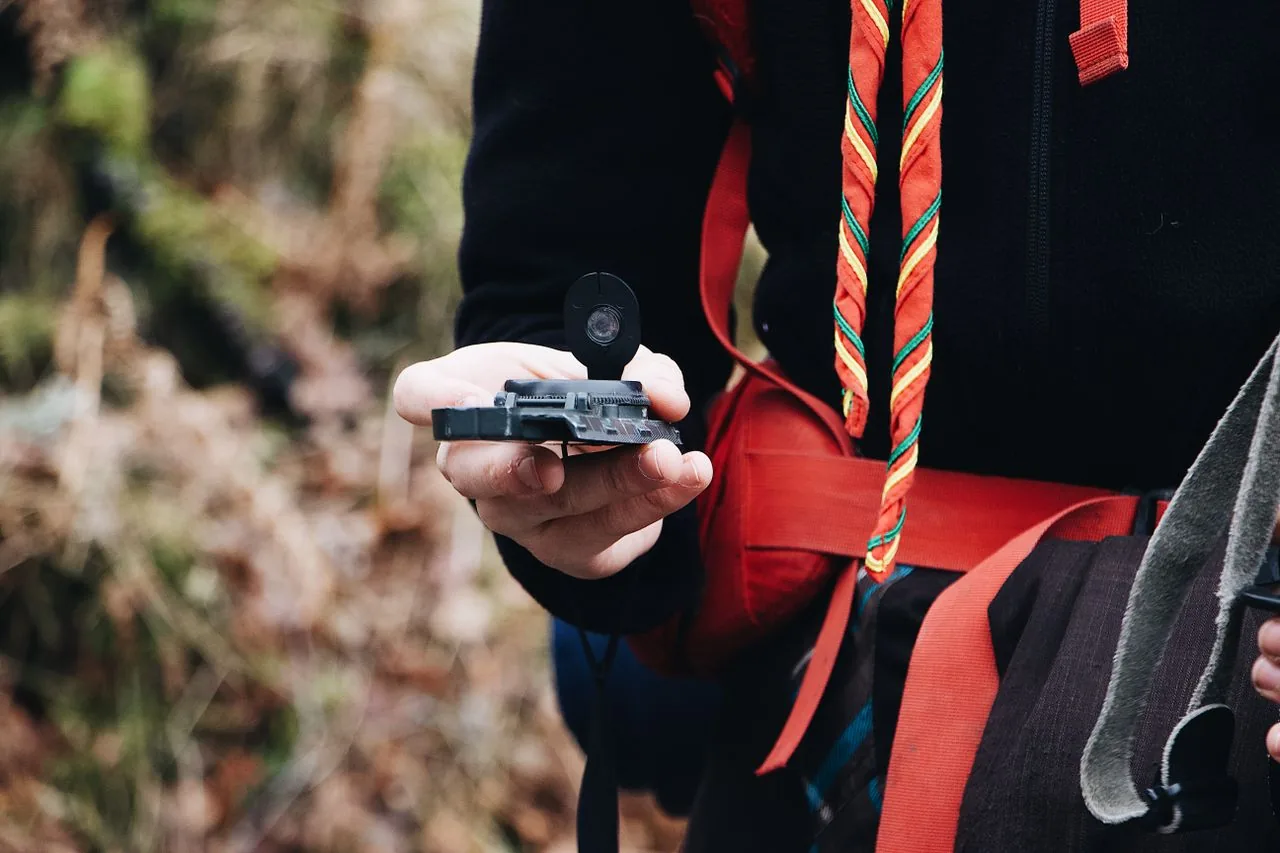
A baseplate compass has four things you need to recognise. The clear plastic baseplate has a direction-of-travel arrow printed on it. Set into it is the rotating bezel — the housing — marked with 360 degrees around its edge. Inside the housing floats the magnetic needle, its red end always swinging to point at magnetic north. And printed on the floor of the housing is the orienting arrow, sometimes called the shed, with parallel orienting lines either side. The whole skill of compass work is just getting these few parts to line up in the right order.
Taking a Bearing
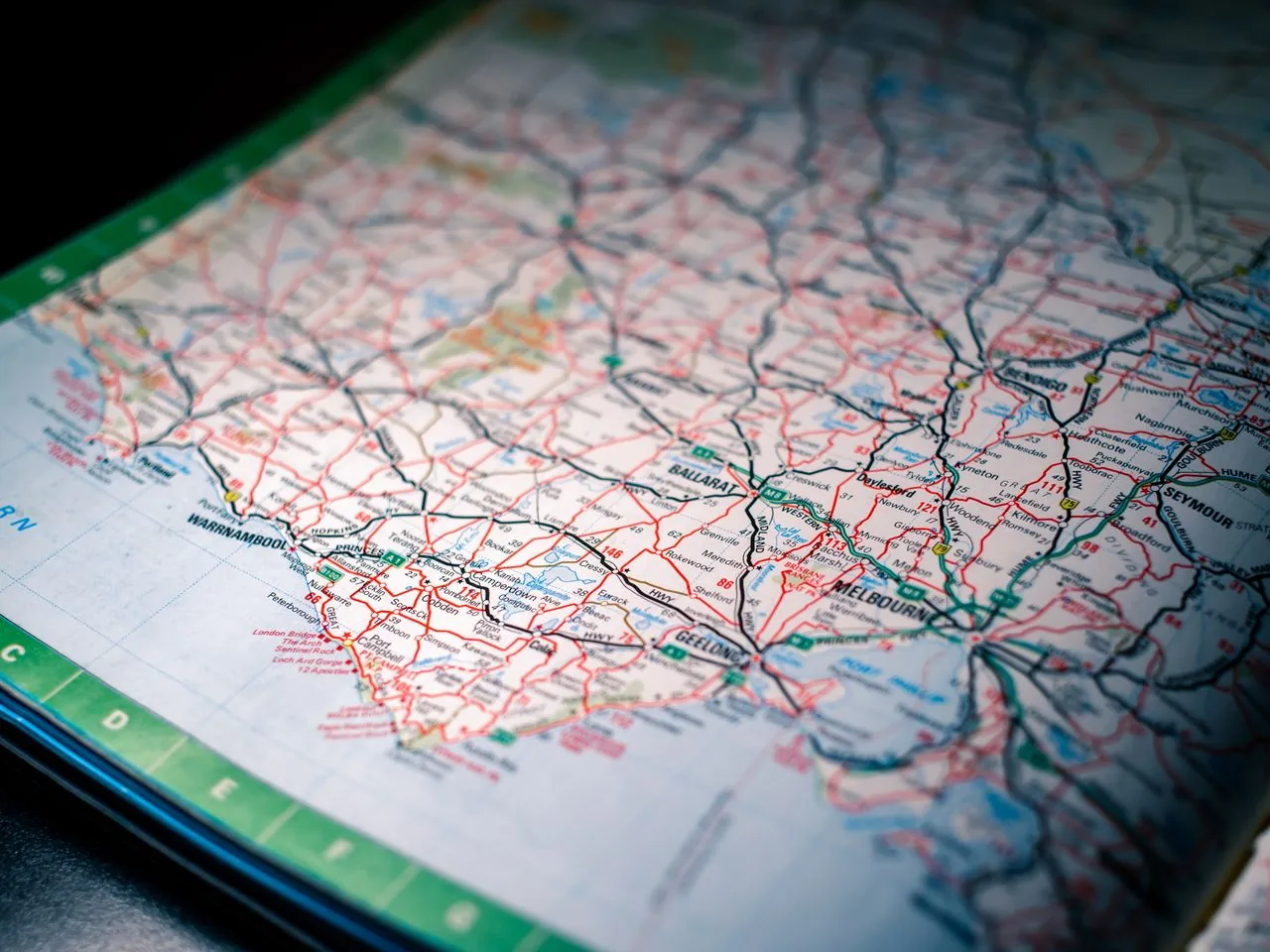
To take a bearing from a map, lay the long edge of the baseplate along your intended line of travel, from where you are to where you want to go, with the direction arrow pointing the way you'll walk. Then turn the bezel until its orienting lines run parallel with the map's grid lines and the orienting arrow points to the top of the map. Read the number now sitting at the bezel's index line — that's your bearing. The map has done its job; from here you don't even need it.
Declination, the Easy Bit Everyone Fears
Here's the wrinkle: maps are drawn to true (grid) north, but the needle points to magnetic north, and the two differ by a few degrees depending where you are. That difference is declination. In most of the UK it's currently small, but ignore it over a long leg and you'll drift well off-line. The fix is simple — adjust your bearing by the declination figure printed on the map's margin. If you enjoy the wider story behind it, there are stories of strange places worth exploring over at Atlas Obscura, where wandering and getting a little lost is rather the point. For navigation, though, just add or subtract those few degrees and move on.
Walking on a Bearing
Now hold the compass flat in front of you and turn your whole body until the red needle sits neatly inside the orienting arrow — "red in the shed." The direction-of-travel arrow is now pointing exactly where you need to go. Pick a distinct object on that line — a lone tree, a boulder, a fence post — walk to it, then sight the next one and repeat. Don't stare at the needle as you walk; it'll only make you wander. Leapfrogging between landmarks keeps you dead straight across open ground, and it'll carry you home long after the battery's given up.