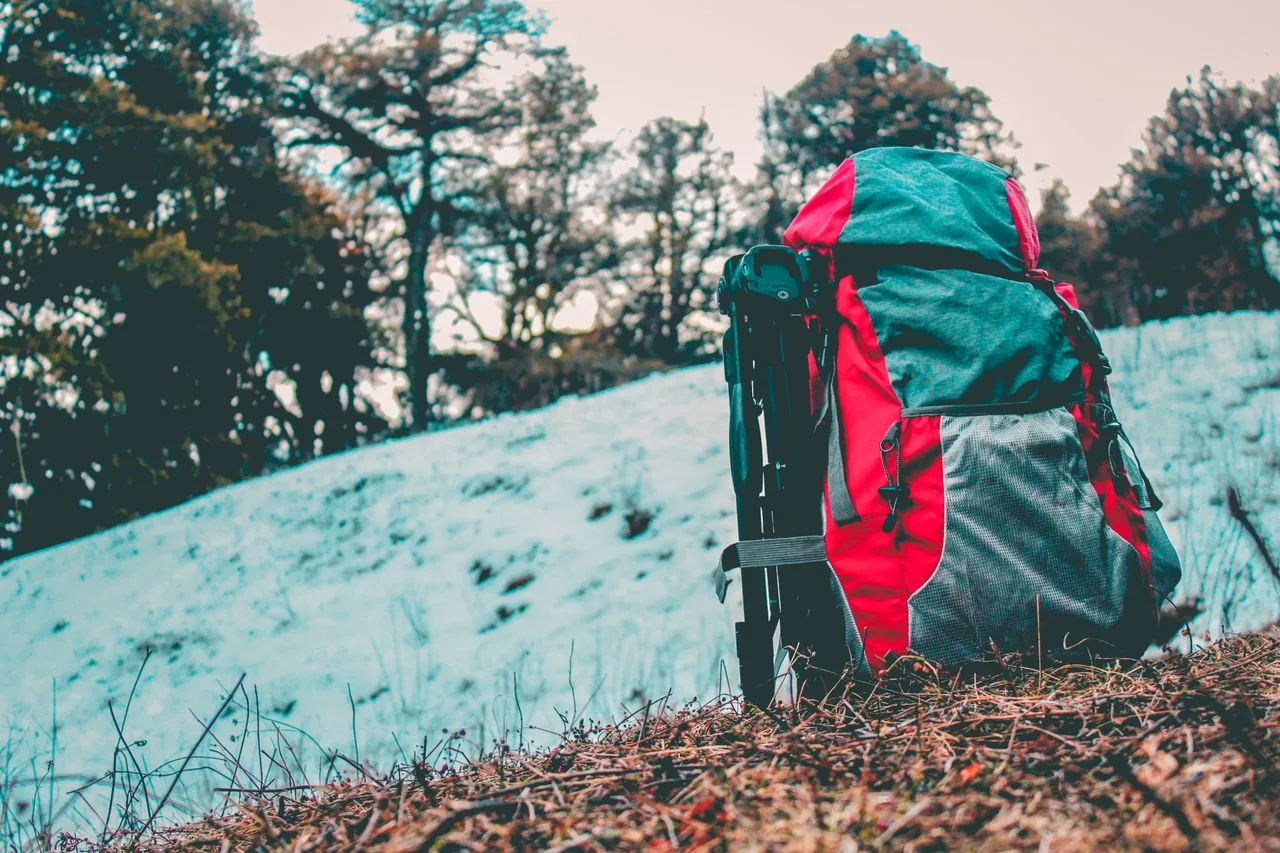
A day pack is one of those bits of kit you only notice when it's wrong. The right one disappears on your back and lets you forget it's there; the wrong one digs into your shoulders, swings about on every scramble and swallows your spare batteries somewhere in a bottomless main pocket. For geocaching, where you're constantly stopping, dropping the bag and rummaging for a torch or a pen, the details matter even more than they do for a straightforward hike.
How Many Litres?
Capacity is measured in litres, and it's the first number to get right. For a half-day of caching, an 18 to 22-litre pack is the sweet spot — big enough for water, a layer, snacks and your gadget kit, small enough that you're not tempted to overload it. Push up to 28 litres for full days with extra clothing and lunch, but be honest: a bigger bag just gets filled with things you don't need and carry anyway. I've happily run a 20-litre pack for years, and the discipline of a smaller bag has saved my back more than any fancy feature.
The Hip Belt Does the Work
This is the single most overlooked feature. A proper padded hip belt transfers most of the load off your shoulders and onto your hips, where your body carries weight far more comfortably. The difference over a long day is dramatic — shoulders that ache by noon versus shoulders you never think about. Skip the flimsy webbing straps that some town-style packs call a hip belt; you want something at least 50mm wide with real padding. Cinch it so the bulk of the weight sits on your hips and the shoulder straps are just steadying the load.
Pockets for the Gadget Hoard
Geocachers carry a lot of small things: a GPS or phone, spare AAs, a torch, tweezers, a pencil case of trade items, a first-aid kit. A single cavernous main compartment turns every one of those into a treasure hunt of its own. Look for a pack with a structured lid pocket for the bits you grab constantly, a couple of stretchy side pockets for a water bottle and your map, and a hip-belt pocket for the phone so it's reachable without taking the bag off. Internal organisation is worth more to a cacher than almost any other feature — it's the difference between a ten-second grab and a frustrated dig.
Fit and Hydration
Finally, fit. Pack length should match your torso, not your height — a tall person with a short back needs a short pack. Try one on loaded, not empty, and walk around the shop with weight in it. The back panel should sit flush without gapping at the shoulders or sagging at the base. Most decent day packs now take a hydration bladder, with a sleeve inside and a port for the hose, and for caching I find a bladder far better than a bottle: you sip steadily as you walk instead of stopping, which means you actually drink enough. Get the fit and the water right, and the pack does exactly what a good one should — nothing you ever notice.