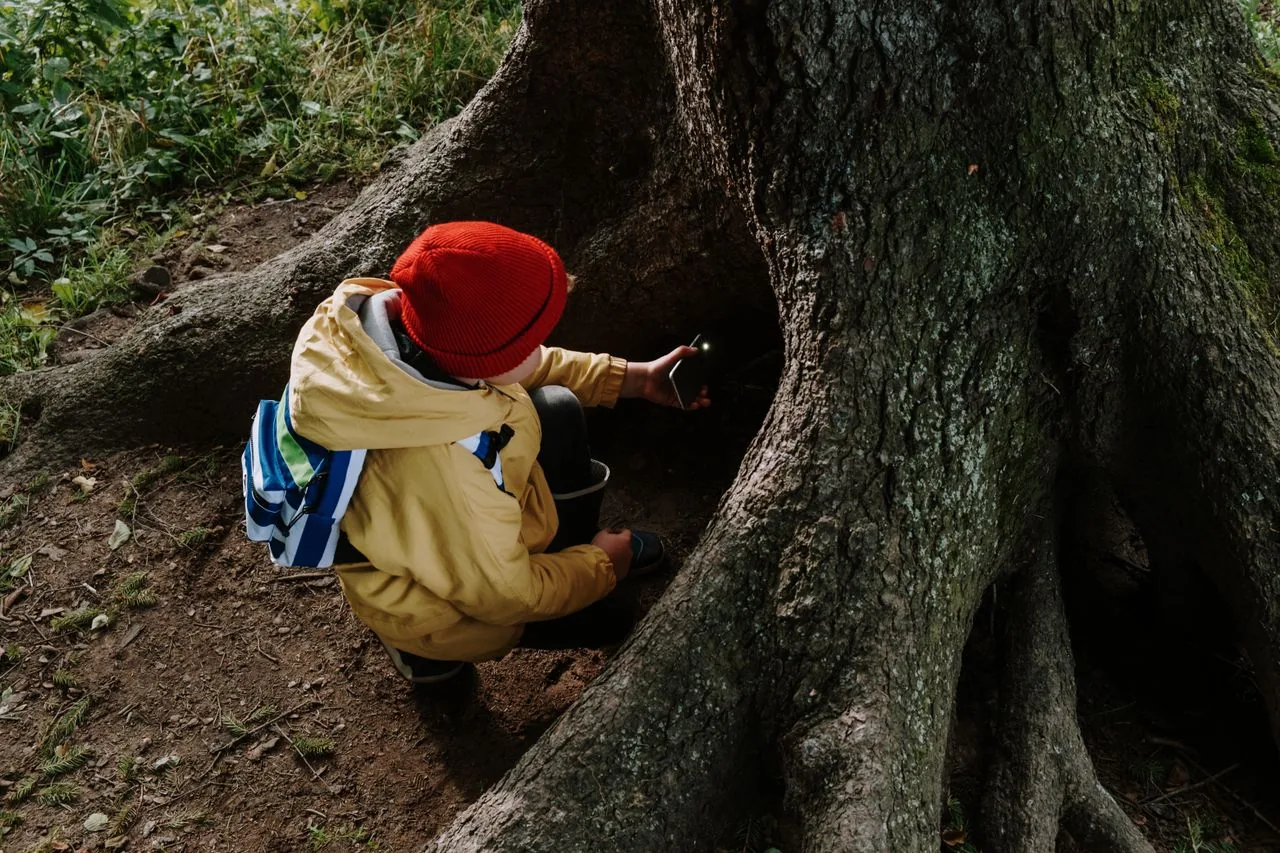
Hiding your first cache feels a bit like leaving a message in a bottle, except the bottle has to survive two years of rain, frost and curious squirrels. The container you choose decides whether finders sign a crisp, dry logbook or pull out a sodden grey lump of pulp. After maintaining around thirty hides of my own, I've learned that container choice is the single biggest factor in whether a cache stays healthy — far more than where you put it.
There's no perfect container for every spot. A nano that works on a fence post would be absurd in deep woodland, and an ammo can would be impossible to hide on a lamp-post skirt. So instead of one recommendation, here's how the four main types actually perform in the field.
The Tiny End: Nanos and Film Canisters
Nano magnets are the smallest things you'll ever hide — about the size of a thumbnail, with a magnetic base and a tiny rolled log inside. They're brilliant for urban hides on metal: guardrails, sign posts, the underside of benches. The catch is they hold a log barely 30mm long, they're fiddly in cold fingers, and they leak the moment the rubber seal perishes. Replace that seal yearly and they'll last.
Film canisters were the classic small cache for decades, and they're getting genuinely hard to find now that nobody shoots film. They're cheap and roomy enough for a pencil and a folded log, but the snap lids almost never stay waterproof. If you use one, line it with a zip-lock bag and accept you'll be doing maintenance.
The Workhorse: Lock-n-Lock Boxes
If I could only recommend one container, it'd be a small Lock-n-Lock or similar clip-lid box. The four folding tabs and the silicone gasket make a genuinely watertight seal, they come in sizes from 200ml up to a couple of litres, and a good one costs under £4. They hold a proper logbook, a pencil, and a fistful of trade items. The only real weakness is UV — clear plastic goes brittle after a few summers in direct sun, so tuck them somewhere shaded and they'll easily run five years.
Built to Last: Ammo Cans
The gold standard for a remote hide is a surplus ammo can. They're metal, properly sealed with a rubber gasket, near-indestructible, and they shrug off being stepped on by a deer. The downside is obvious: they're heavy, they're conspicuous, and you can't tuck one into a dry-stone wall. Save them for woodland and hillside caches where you've got cover and don't expect casual passers-by.
Weatherproofing and the Muggle Problem
Whatever you choose, a few habits keep a cache alive. Always double-bag the log in a zip-lock — even watertight boxes sweat with temperature swings. Add a small sachet of silica gel and replace it on maintenance visits. And think hard about "muggles," the non-players who'll bin anything that looks like litter or, worse, a suspicious package. A clearly labelled "GEOCACHE — GAME PIECE" sticker on a discreetly placed container saves an astonishing number of hides. Camouflage tape helps too, but placement matters most: out of the desire line, off the obvious shelf, somewhere a curious dog-walker won't stumble on it by accident.